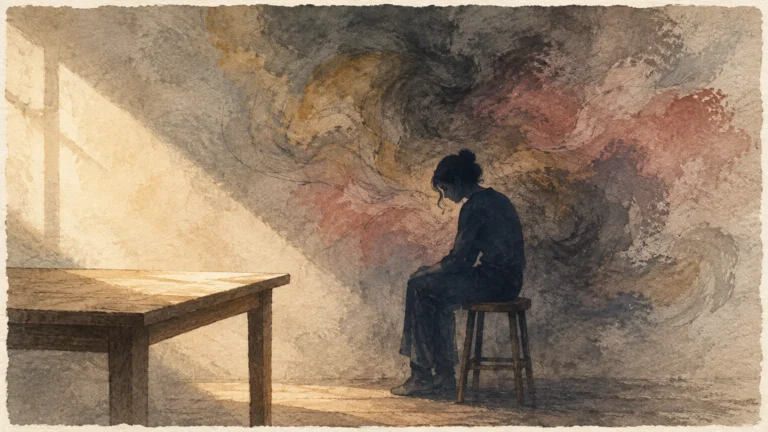
Schizotypal Personality Disorder: Understanding Eccentric Thinking
Schizotypal personality disorder explained: everyday signs, how it differs from schizophrenia, schizoid and avoidant patterns, causes, and treatment options.
Read the articleMental health is where most people first meet psychology: a diagnosis they or someone they love has just received, a symptom that will not go away, a pattern that suddenly has a name. This section explains anxiety, depression, trauma, ADHD, OCD, personality disorders and the conditions that sit between them in plain language, grounded in current research rather than reassurance.
Schizotypal personality disorder explained: everyday signs, how it differs from schizophrenia, schizoid and avoidant patterns, causes, and treatment options.
Read the articleOrthorexia is a rigid fixation on healthy or 'pure' eating.
Acute stress disorder covers severe trauma reactions from 3 days to 1 month after an event.
Misophonia explained: common trigger sounds, what brain research suggests, how it differs from hyperacusis, and what CBT and everyday strategies can offer.
Prolonged grief disorder explained: how it differs from typical grief, depression and PTSD, what the DSM-5-TR criteria require, and which therapies help.
Persistent depressive disorder means low mood for two years or more.
How panic attacks differ from panic disorder, why the fear cycle keeps going, how clinicians rule out look-alikes, and what CBT and medication offer.
Somatic symptom disorder means real physical symptoms plus excessive worry.
Binge eating disorder means lost control, distress and weekly episodes, not weak willpower.
Insomnia disorder means poor sleep at least three nights a week for three months.
Dissociative identity disorder is rooted in childhood trauma and marked by memory gaps more than dramatic switches.
Antisocial personality disorder isn't shyness or the same as psychopathy.
Specific phobias explained: the five DSM-5-TR types, why needle fears can cause fainting, how phobias differ from panic or OCD, and how exposure works.